
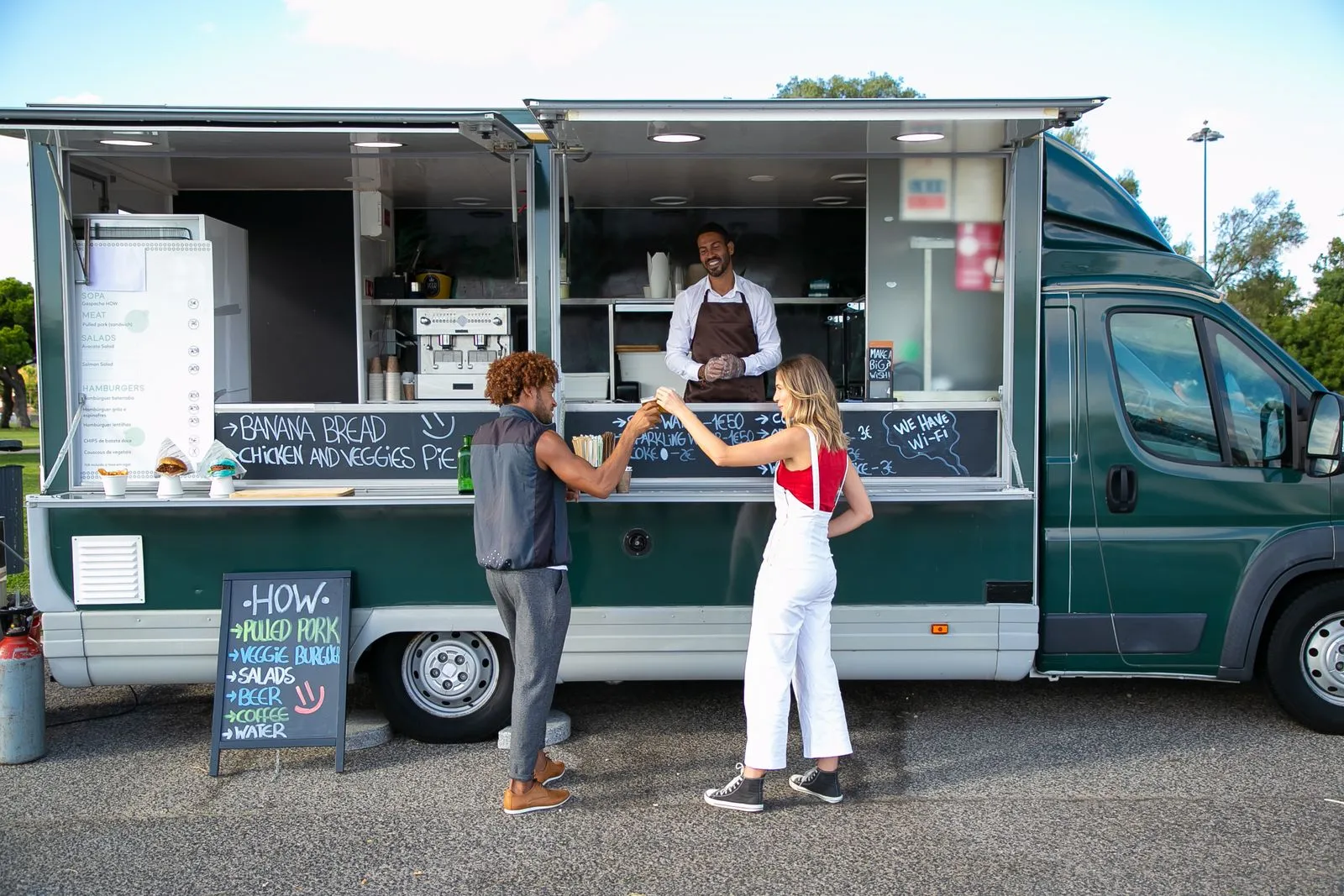
A workplace food truck event runs smoothly when the food service fits the workday—not the other way around. Start by estimating how many people will eat, when they can step away, and where the truck can safely park and serve. Then share those details with the caterer before you confirm the plan. A clear schedule, access instructions, and headcount help the team prepare a practical menu and reduce long waits during a busy workday.
Match Service to Work Schedules
Check shift times, meeting blocks, break policies, and any staggered lunch periods before choosing a service window. If everyone heads out at noon, a single short window may create a line that cuts into break time. Ask whether the truck can serve across a longer period or in planned waves, and build in time for employees to walk from their work areas.
For teams that cannot leave at the same time, use more than one pickup window or coordinate department-based breaks. Tell employees when their group should arrive and where to line up. If the event includes a presentation or all-hands meeting, avoid scheduling food service during the portion when attendees are expected to stay seated.
Confirm Venue Access Early
Identify the exact parking and serving location before booking. Confirm that a truck can reach it, fit in the space, and operate without blocking entrances, loading areas, fire lanes, or accessible routes. Check building or property rules, required permits, security procedures, and any limits on generator use or outdoor service.
Send the caterer a site contact’s name and phone number, arrival instructions, and a simple description of the location. Note gate codes, delivery entrances, height or weight restrictions, and where employees should approach the truck. If the site is difficult to find, arrange for someone to meet the truck and guide it into position.
Estimate the Group Size
Use the number of people likely to attend, not the company’s total headcount. Account for remote staff, visitors, dietary needs, and employees who may be away that day. Share your best estimate and explain whether attendance is optional or tied to a scheduled gathering. Ask the caterer when they need a final count and how changes affect preparation.
For a large group, discuss how many menu choices the truck can serve efficiently and whether orders should be collected ahead of time. A focused menu can make service easier to organize. For a smaller group, confirm any minimums or setup requirements before committing, and ask how the service plan changes if fewer people attend than expected.
Build a Practical Service Plan
Agree on the arrival time, setup period, first serving time, last order time, and departure plan. Leave a buffer for parking, setup, and unexpected delays. Decide who will direct employees, manage the line, answer questions, and contact the caterer on event day. Share the plan with staff in advance, including the location, timing, and any ordering instructions.
Ask how the truck will handle payment, food allergies, and dietary requests, and make sure employees know what information is available before ordering. Have a backup plan for severe weather or a blocked service area. If you are considering Harbor Street Eats for a Boston workplace event, share your schedule, site details, and expected group size when you inquire.
A successful workplace food truck event starts with a realistic headcount, a service window that respects employee schedules, and a confirmed location the truck can access. Put the details in writing and assign one on-site contact to keep the day organized. Once you have those basics, contact a caterer to discuss a plan that fits your workplace.